


Embracing Culinary Diversity While Studying Abroad
The Significance of Food in Cultural Immersion
Food tells the story of a place. It reveals the traditions, history, and values of a community, and tasting local dishes means stepping into someone’s world, not just eating a meal. Authentic cuisine offers deeper insight into a destination’s culture than almost anything else you’ll encounter early on. Food often serves as a cultural ambassador, breaking down barriers faster than conversation alone.
Benefits of Exploring Local Food Scenes
Trying new foods naturally helps with language too. Ordering at a restaurant teaches practical vocabulary you won’t find in a textbook, and sharing meals with locals tends to build genuine bonds quickly. Exploring unfamiliar food scenes, whether bargaining at a market or choosing a dish you can’t quite translate, also builds confidence in navigating new environments more broadly.
Common Challenges in Adapting to New Food Cultures
Adapting can be genuinely tough if you have dietary restrictions or allergies, and menus in an unfamiliar language add another layer of difficulty. Some hesitation around unknown foods is completely normal, sometimes called food neophobia, but knowing how to work through it makes the whole journey smoother and considerably more enjoyable.
Creating a Personal Food Diary: Documenting Culinary Journeys
Why Keep a Food Diary During Your Study Abroad?
A food diary isn’t just a list of what you’ve eaten. It’s a record of cultural discovery and personal growth over time. Tracking new dishes helps you remember flavours, ingredients, and customs long after the meal is over, and it also shows you how your tastes and understanding shift the longer you’re abroad. It’s also genuinely useful for managing dietary needs, especially while you’re still adjusting to unfamiliar food environments.
Practical Tips for Maintaining an Effective Food Diary
Pick a format you’ll actually stick with, whether that’s a notebook, an app, or a simple blog. Be specific: note ingredients, taste impressions, and the social context around each meal. Photos, or even the recipes themselves, help bring the entries back to life later. Writing about meals as you go turns food into stories you’ll genuinely want to revisit once you’re back home.
Sample Entries and Success Stories
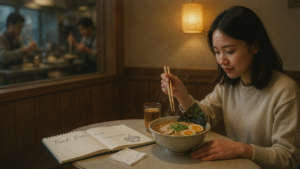
An entry might read something like: “Tried spicy ramen today. Loved the heat and umami flavour, and learned it’s considered comfort food locally in Japan.” Or: “Shared a traditional paella with classmates. It broke the ice and sparked a long conversation about Spanish culture.” Entries like these don’t just document food; they capture specific moments of cultural connection and personal growth.
Navigating Local Food Markets and Eateries Safely
Tips for Visiting Markets and Local Restaurants
When exploring markets or local eateries, take a moment to observe local customs and etiquette before jumping in. Ask locals for their favourite spots rather than relying solely on online reviews. Look for vendors with visibly good hygiene practices, and trust your instincts. If something looks or smells off, it’s fine to pass.
Respecting Cultural Food Norms and Practices
Every culture carries its own mealtime traditions. Learn the basics of local dining etiquette, whether that’s sharing communal dishes or using chopsticks a certain way, and participate in food-related rituals or festivals if you’re invited. Building rapport with vendors and hosts genuinely helps you get more out of the experience.
Managing Dietary Restrictions and Preferences
Be clear and upfront about your dietary needs. Translation apps or printed allergy cards can help explain restrictions when language is a barrier. Look specifically for dishes or ingredients that suit your diet, and don’t hesitate to bring a few familiar snacks or ingredients from home to supplement local food when needed. This keeps you safe without missing out on the wider cultural experience.
Incorporating Cultural Food Experiences into Daily Life
Participating in Cooking Classes and Food Festivals
Cooking classes let you learn authentic recipes directly from locals rather than approximations from a cookbook. Food festivals showcase the vibrant flavours of your host country, often alongside traditional music and dance, and these hands-on experiences tend to deepen your appreciation of the culture far more than passive observation.
Hosting or Joining Food-Related Cultural Events
Sharing your own cuisine with others, and learning from theirs, builds connection quickly. Organising a potluck or joining a community dinner is a simple way to create lasting friendships and make your time abroad more memorable.
Implementing Actionable Tips for Cultural Integration
Set small, achievable goals, like trying one new dish a week. Keep an open mind even when a food seems unfamiliar or intimidating at first, and reflect occasionally on what a particular dish tells you about the culture around it. These small, consistent steps build a much broader appreciation of local life over a semester or year. If food is just one part of a bigger adjustment, our guide on culture shock and adapting to life abroad covers the wider picture.
Overcoming Challenges and Cultivating Appreciation
Addressing Cultural and Personal Barriers
If you’re hesitant to try certain foods, remind yourself it’s a normal part of the learning process. Respecting cultural practices, even ones that differ significantly from your own, goes a long way. Reaching out to fellow students or locals for support helps too. Shared experiences tend to ease this kind of anxiety faster than facing it alone.
Turning Challenges into Opportunities
Unfamiliar foods are ultimately opportunities to expand your palate and your comfort with the unfamiliar in general. Approaching each new dish with curiosity, rather than caution, tends to pay off over time, and you may well develop a taste for flavours you initially avoided.
Conclusion
A food diary becomes your map through the culinary world of your host country. It’s a simple tool that supports cultural immersion, personal growth, and genuine understanding. By exploring actively, respecting local traditions, and documenting the experience as you go, you build memories that last well beyond your time abroad. If you’re still preparing for the move, Envision Overseas Education can help you plan the transition, and our pre-departure services cover practical adjustment topics like this one before you even leave India.
Frequently Asked Questions
-
How do I handle food allergies while studying in a country where I don’t speak the language?
Translation apps and printed allergy cards in the local language are genuinely useful for explaining restrictions clearly at restaurants or markets. It’s also worth learning a few key phrases related to your specific allergy before you arrive.
-
Is it normal to struggle with local food at first?
Yes, completely. Some initial hesitation toward unfamiliar food, sometimes called food neophobia, is a common and normal part of adjusting to a new culture. It typically eases as you gain more exposure and confidence.
-
What’s the easiest way to start exploring local food safely?
Ask locals, classmates, or your international student office for recommendations rather than relying purely on online reviews, and look for busy vendors with visibly good hygiene practices. Starting with milder, well-recommended dishes before branching out also helps.
-
Can I still eat food from home while studying abroad?
Yes, and there’s no need to avoid it entirely. Bringing familiar snacks or ingredients from home can ease the transition while you’re still adjusting to local cuisine, without stopping you from exploring new food at your own pace.
-
How does trying local food actually help with cultural adjustment?
Food naturally opens conversations, teaches practical language, and builds connections with locals and classmates alike. It’s often one of the fastest and most enjoyable ways to feel genuinely settled in a new place.
-
Should I keep a food diary even if I’m not a big writer?
Yes. A food diary doesn’t need to be polished writing. Short notes, photos, or even voice memos work just as well and still help you track your experience and reflect on it later.