


It’s a completely normal part of settling into a new environment: that sense of disorientation or mild frustration when familiar cues disappear, and unfamiliar ones take their place. The good news is that culture shock isn’t a wall to crash into. It’s a phase to move through, and with the right approach, students don’t just get past it; they genuinely enjoy the process. Here’s how to turn “culture shocked” into confident and settled, with a bit of fun along the way.
The Language Learning Game: Gamify Your Way to Fluency

Language learning doesn’t have to mean dry grammar drills and endless memorisation. Modern learners are turning fluency into an engaging, low-pressure challenge.
Apps like Duolingo, Memrise, and Babbel make daily practice bite-sized and rewarding, with streaks and friendly competition keeping motivation high. Watching local TV shows with subtitles, following local influencers, and listening to popular music is an enjoyable way to absorb slang, rhythm, and cultural context naturally. Language exchange platforms like Tandem and HelloTalk connect you with native speakers who want to learn your language too, and these exchanges often turn into genuine friendships.
Instead of chasing perfect grammar early on, master a handful of survival phrases first, then set small, fun goals like ordering your favourite drink flawlessly or finally understanding the lyrics of a song you like. Small wins keep the process motivating.
Culinary Adventures: Eating Your Way to Understanding
Food is one of the easiest and most enjoyable bridges between cultures. Sampling local flavors isn’t just a treat, it’s an education in itself.
Street food markets offer authentic, affordable meals and a genuine taste of local life, often more revealing than a fancy restaurant. Local cooking classes give you hands-on insight into regional ingredients and traditions, and you’ll walk away with a skill worth keeping. Platforms like Eatwith or meetups hosted through your university connect you with local hosts for shared home-cooked meals, which tend to spark far more meaningful conversation than a typical dinner out.
It’s worth learning basic local dining etiquette before you go too. Knowing when to slurp, share, or say “cheers” the local way avoids awkward moments and shows genuine cultural respect. For more on adjusting to unfamiliar food cultures, our guide on adapting to culinary cultures while studying abroad goes deeper into this exact experience.
Embrace the “Lost” Tourist: Find Beauty in Getting Off Track
That feeling of being lost isn’t a setback. It’s often an invitation to explore something you’d never have planned for.
Occasionally skip the map and let curiosity lead you toward hidden cafes, local markets, and small gems that never make it into guidebooks. Riding local buses or trams to their final stop and back is an inexpensive, genuinely authentic way to see daily life beyond the usual tourist zones. University boards, community centres, and local event listings are also good sources for free festivals, markets, or sports matches where you can quietly blend in and observe.
Keep a charged phone with offline maps handy, and consider carrying a small notebook for new words, funny cultural moments, or interesting finds. These small notes often become the best souvenirs of your time abroad.
Build a Hybrid Community: The Best of Both Worlds
Making local friends matters, but maintaining connections with fellow international students and loved ones back home is just as grounding.
Most universities host communities specifically for international students, offering shared understanding and practical advice from people going through the same adjustment. Scheduling regular calls with friends and family back home helps you process emotions and keeps homesickness manageable. Joining activities you genuinely enjoy, such as a sports club, a reading group, or a volunteer initiative, tends to make socialising feel natural rather than forced.
Try to build a mix of friendships deliberately: some who share your cultural background, and others who help you understand the local one. Both perspectives add something different, and both matter. If you’re also managing coursework and a part-time job while adjusting to a new culture, our guide on balancing work and study abroad covers practical ways to keep both in check.
Turning Shock into Wonder
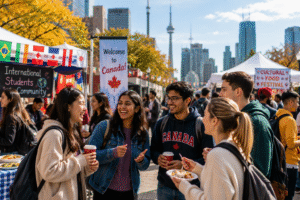
Culture shock isn’t something to fear. It’s proof that you’re growing, adapting, and stepping outside your comfort zone. Reframed as an adventure instead of an obstacle, it becomes one of the more memorable parts of studying abroad rather than something to simply push through.
Laugh through the awkward moments, learn from the surprises, and give yourself time to adjust. The confusing first impressions tend to become your favourite stories later on. If you’re heading to Canada specifically, our guide to balancing studies and lifestyle in Canada covers the day-to-day adjustment in more detail.
Adjusting to a new culture takes time, and that’s completely normal. With the right mindset, a bit of curiosity, and some support along the way, culture shock becomes just one more part of a genuinely rewarding experience abroad. If you’re still preparing to make the move, Envision can help you plan the transition from application to arrival, including our pre-departure services designed specifically to ease this exact adjustment.
Frequently Asked Questions
-
How long does culture shock usually last for international students?
It varies from person to person, but many students notice the initial disorientation easing within the first two to three months as routines, friendships, and familiarity build up. Some mild adjustment can continue through the first semester, which is entirely normal.
-
What are the first signs of culture shock?
Common signs include feeling unusually tired or irritable, missing small comforts from home, struggling with simple daily tasks that used to feel automatic, or feeling isolated even in social settings. Recognising these early makes them much easier to manage.
-
Do language apps actually help with everyday communication abroad?
Yes, especially for building confidence with everyday phrases and vocabulary. They work best when combined with real conversation practice, such as language exchange partners or daily interactions with locals.
-
Is it normal to feel homesick even after settling in well?
Yes, homesickness can resurface occasionally even after you’ve built a solid routine and friend group. It doesn’t mean you’re not adjusting well. Staying connected with home while continuing to build local connections usually helps it pass.
-
How can I make local friends if I’m naturally introverted?
Structured settings tend to work better than open-ended socialising. Joining a club, class, or recurring group activity gives you a natural, low-pressure reason to interact repeatedly with the same people, which builds familiarity faster than one-off events.
-
Does Envision help with the settling-in process, not just admissions?
Yes. Beyond university and visa guidance, Envision’s pre-departure service is specifically designed to prepare students for daily life abroad, covering practical adjustment topics before you even leave India.
I love how this post emphasizes the importance of staying open-minded and flexible when adjusting to life abroad. I think students often overlook how much of their experience depends on their attitude toward the unfamiliar.
Comments are closed.