


If you are planning to study in the UK in 2026, gaining a clear understanding of student life is essential before applying. This detailed guide provides Indian students with a complete overview of what to expect at top UK universities, covering academics, accommodation, cost of living, cultural adaptation, career opportunities, and long-term settlement pathways.
Understanding UK Student Life in 2026
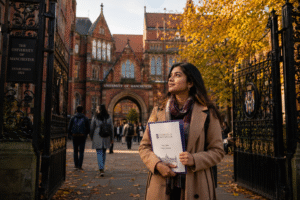
UK student life is characterised by independent study, self-driven learning, and multicultural interaction. Unlike India’s classroom-focused education, UK universities emphasise fewer lecture hours, extensive self-study, group discussions, and case-based learning. Students are expected to manage their own schedules, engage with diverse communities, and develop practical, industry-ready skills.
For Indian students beginning their UK study journey, understanding these core aspects makes the transition significantly smoother.
Key Features of UK Student Life
- Independent, research-oriented academic structure
- 10-16 hours of lectures per week
- Continuous coursework and dissertation-based assessments
- Diverse multicultural student communities
- On-campus and off-campus accommodation options
- Legal part-time work of up to 20 hours per week
- Access to NHS healthcare
- 2-year Graduate Route Visa after masters
- Extensive global career networks
- Weekend travel across the UK and Europe
Why Indian Students Continue to Choose the UK
The UK remains one of the most preferred international destinations for Indian students, hosting over 140,000 Indian students across leading universities.
Primary reasons for the UK’s popularity include:
- World-class academic institutions, with four UK universities in the QS Global Top 10 for 2026
- 1-year masters programs offering faster career entry and reduced tuition costs
- Graduate Route Visa allowing 2-year post-study work opportunities
- Second-largest Indian student community globally
- Diverse scholarships ranging between £5,000 and £30,000
- Advanced research and industry partnerships
- Access to NHS healthcare services
- UK-India Mutual Qualification Recognition Agreement
For Indian students seeking a globally recognised education without the extended timelines of the US or Canada, the UK offers an ideal balance of academic excellence and post-study opportunities.
Academic Culture: Comparing India and the UK
The transition to the UK academic system is one of the most notable adjustments Indian students face. UK universities focus on critical thinking, independent research, and continuous assessment.
| Feature | India | UK |
| Learning Style | Memorisation-based | Critical thinking |
| Class Hours | 25-35 hours/week | 10-16 hours/week |
| Assessments | Final exam-focused | Continuous coursework |
| Teacher-Student Interaction | Hierarchical | Informal, first-name basis |
| Assignments | Instructor-guided | Independent research |
| Study Style | Lecture-based | Discussions and case studies |
Most Indian students take a few weeks to adjust to this shift. Over time, the UK academic system develops workplace-ready skills that international employers highly value.
A Typical Day at a UK University
Understanding the daily rhythm of UK student life helps set realistic expectations.
8:00 AM: Wake up and prepare breakfast
9:00 AM – 12:00 PM: Attend lectures or seminars
12:30 PM: Lunch on campus or at home
1:00 PM – 4:00 PM: Independent study, library research, or group projects
4:00 PM – 7:00 PM: Part-time work, gym, or student society events
7:00 PM – 9:00 PM: Prepare dinner and unwind
9:00 PM onwards: Coursework, calls with family, personal time
UK student days tend to be more balanced and less structured compared to India, encouraging both academic progress and personal well-being.
Top UK Universities with Strong Indian Student Communities
Several UK universities are recognised for their vibrant Indian student communities and cultural inclusivity.
- University of Manchester: Large Indian student community and business network
- University of Birmingham: Cultural festivals including Garba, Ganesh Chaturthi, and Bollywood nights
- University of Nottingham: Balanced academic and social experience
- University of Bristol: Highly rated student experience
- Loughborough University: One of the UK’s best university towns
- Aston University: Strong Indian professional and academic network
- University of Strathclyde: Well-integrated Scottish student community
- University of Hertfordshire: 68% international students from India
Choosing a university with an established Indian community can significantly ease the transition for new students.
Key Insights from Current Indian Students
Insights from Indian students already studying in the UK highlight recurring themes.
- Winters are significantly longer and darker than expected
- Cooking meals at home is essential for financial and cultural comfort
- Public transportation is highly reliable and cost-effective
- Grocery shopping and product familiarity take time to adjust to
- Warm clothing is essential from arrival
- Freshers Week is a critical introduction to social and academic life
- NHS registration should be completed within the first month
- Financial discipline is developed quickly through independent living
- Networking opportunities are as important as academic performance
Structured career counseling helps Indian students align long-term goals with UK academic and professional pathways.
Freshers Week: The Introduction to UK Student Life

Freshers Week is a defining part of the UK university experience. It provides students with a structured orientation into academic, social, and cultural aspects of student life.
Key Freshers Week Activities
- University tours and induction sessions
- Faculty introductions and academic mentorship
- Student society and club registrations
- International student welfare meetings
- Freshers fairs and community events
- Guidance on banking, mobile connectivity, and NHS registration
- Local city and campus exploration
- Networking and cultural events
Active participation in Freshers Week helps establish early social and academic connections.
Cultural Adjustment Timeline
Adapting to UK student life is a gradual process. Understanding the timeline can help students manage expectations.
- Week 1: Navigating campus, meeting flatmates, attending induction, adjusting to accents
- Weeks 2-3: Setting up banking, mobile, and NHS services, cooking meals, adjusting emotionally
- Month 1: Building confidence, adapting to independent living, exploring local shops and city
- Month 3: Building networks, starting part-time work, balancing academics and social life
- Month 6: Fully adjusted to UK life, financial independence, career-focused networks
Understanding this timeline helps students avoid overreacting to early challenges.
Accommodation Options for Indian Students
Selecting the right accommodation significantly impacts the overall student experience.
Common Accommodation Options
- University halls of residence: On-campus, structured community environment
- Private student halls: Managed by providers such as Unite, IQ Student, and Chapter
- Shared apartments: Cost-effective and flexible
- Homestays: Cultural immersion with local families
- Studio flats: Private and independent living
Average Monthly Rent (2026)
- London: £900 – £1,400
- Manchester: £600 – £900
- Edinburgh: £700 – £1,000
- Birmingham: £550 – £850
- Bristol: £700 – £950
- Nottingham: £550 – £800
- Glasgow: £600 – £850
Structured accommodation assistance helps Indian students secure safe, affordable, and well-suited housing options.
Cost of Living in the UK
Financial planning is essential to a smooth UK student experience.
Monthly Expenses (Excluding Rent)
- Food and groceries: £160 – £220
- Utilities: £50 – £80
- Transportation: £30 – £60
- Mobile phone: £15 – £30
- Social activities: £100 – £150
- Study materials: £20 – £40
Estimated Total Monthly Costs
- London: £1,600 – £2,000 (₹1.7-2.1 lakhs)
- Regional cities: £1,000 – £1,400 (₹1.1-1.5 lakhs)
Studying in regional cities offers 30-40% savings compared to London.
Food and Cultural Community in the UK
The UK provides extensive access to Indian food and cultural communities.
Key Advantages
- Indian restaurants in every major UK city
- Widely available Asian grocery stores
- Halal, vegetarian, and Jain options in most cities
- Home-cooking is accessible and affordable
- Cultural events including Diwali, Rakhi, Ganesh Chaturthi, and Holi
- Tiffin services available in major cities
Best UK Cities for Indian Food and Culture
- Leicester (largest Indian community)
- London
- Manchester
- Birmingham
- Glasgow
- Nottingham
- Bristol
Universities regularly host cultural nights and community events, ensuring strong support networks throughout the year.
Adapting to the UK Weather
The UK’s weather is one of the most significant lifestyle adjustments for Indian students.
- Summer: 15-25°C
- Autumn: Rainy, 8-15°C
- Winter: 1-8°C, occasional snow
- Spring: Mild, 8-15°C
Weather Preparation Recommendations
- Pack warm clothing before arrival
- Invest in a quality winter coat and waterproof boots
- Adopt a layered clothing approach
- Carry an umbrella regularly
- Prepare for shorter daylight hours in winter
Adjustment may be challenging initially, but students adapt quickly.
Part-Time Employment While Studying
International students can legally work in the UK, gaining valuable financial and professional experience.
Work Regulations
- Up to 20 hours per week during term
- Full-time (40 hours per week) during breaks
Common Part-Time Roles
- Retail assistants
- Restaurant and hospitality staff
- Library or teaching assistants
- Baristas
- Delivery service partners
- Warehouse workers
- Freelance and remote roles
- Personal tutors
Average Hourly Wages
- Minimum wage: £10 – £12/hour
- Skilled roles: £12 – £18/hour
Students typically earn between £600 and £1,200 per month, contributing significantly to living expenses.
Balancing Studies, Work, and Social Life
Effective balance is essential to a successful UK student experience.
Recommended practices include:
- Planning weekly schedules
- Prioritising academic deadlines
- Selecting flexible part-time work
- Attending at least two social events weekly
- Setting fixed study hours
- Taking scheduled rest days
- Maintaining physical and mental well-being
Time management is one of the most valuable skills students develop in the UK.
Financial Management Tips
Careful financial planning helps students optimise their budget.
- Cook at home most days
- Use student discount cards (UNiDAYS, TOTUM, Student Beans)
- Apply for the 16-25 Railcard and student travel passes
- Rent textbooks instead of purchasing
- Shop at cost-effective supermarkets (ASDA, Lidl, Aldi)
- Share utilities with flatmates
- Attend free campus events
- Use budgeting tools like Monzo or Revolut
Consistent budgeting significantly improves financial stability.
Mental Well-Being and Homesickness
Homesickness is a common experience for international students.
Recommended Support Strategies
- Regular video calls with family
- Cooking familiar Indian meals
- Joining Indian and multicultural societies
- Participating in cultural events
- Accessing university counselling services
- Weekend exploration and travel
- Maintaining structured daily routines
The UK offers well-established mental health support systems for all students.
Travel Opportunities in the UK and Europe
Travel is one of the significant benefits of UK student life.
Popular UK Destinations
- London, Edinburgh, Bath, Cambridge, Oxford, Brighton, Lake District, Scottish Highlands
European Weekend Destinations
- Paris, Amsterdam, Rome, Berlin, Barcelona, Prague, Budapest
Affordable airlines like RyanAir and EasyJet allow students to visit multiple countries during their studies.
Post-Study Career Opportunities: Graduate Route Visa
Post-study work opportunities are a major reason Indian students choose the UK.
Graduate Route Visa Benefits
- 2 years of work permission after masters (till 31 Dec 2026)
- 18 months for applications from January 2027 onwards
- 3 years for PhD graduates (unchanged)
- No employer sponsorship required
- Access to skilled worker pathways
- Long-term settlement opportunities
The Graduate Route Visa provides Indian students with meaningful post-study opportunities and career development.
Pre-Arrival Checklist for Indian Students
A well-planned pre-departure checklist ensures a smoother transition.
Documents: Passport, visa, CAS letter, offer letter, financial documents, insurance papers, academic transcripts
Essentials: Warm clothing, Indian spices, formal attire, bedding, toiletries, chargers and adapters, forex or ATM cards, mobile plan details
Digital Setup: UK bank account, local SIM, accommodation confirmation, NHS registration information, weather updates
Structured pre-departure services help Indian students transition confidently to their new academic environment.
Common Mistakes to Avoid
Awareness of common mistakes helps students prepare better.
- Overpacking non-essentials
- Underestimating winter clothing needs
- Skipping cultural orientation
- Missing Indian community engagement
- Not participating in Freshers Week
- Choosing expensive metros without financial planning
- Overworking part-time
- Underestimating academic workload
- Ignoring mental health resources
Careful preparation reduces stress and enhances the overall experience.
FAQs
1. What is student life like at UK universities?
UK student life combines independent academics, cultural diversity, part-time work, social engagement, and personal growth. Students develop independence, professional skills, and global exposure throughout their studies.
2. Is UK student life challenging for Indian students?
The initial adjustment can be challenging, but Indian students settle in quickly with the support of strong communities, university welfare systems, and cultural resources.
3. What are the biggest cultural differences for Indian students in the UK?
The most notable differences include weather, academic independence, food preferences, informal teacher-student interactions, and cost of living.
4. Which UK city is best for Indian students?
Manchester, Birmingham, Bristol, Nottingham, Leicester, and Glasgow are among the most Indian-friendly cities, offering strong communities and affordable living.
5. Can Indian students work part-time in the UK?
Yes. International students can work up to 20 hours per week during term and full-time during breaks, earning £600-£1,200 per month on average.
6. How do Indian students manage homesickness in the UK?
Regular family communication, cooking Indian meals, joining Indian societies, participating in festivals, and accessing university counselling services are effective strategies.
Final Word
Student life at top UK universities offers Indian students a balanced blend of academic rigour, cultural exposure, personal development, and career growth. From the excitement of Freshers Week to the fulfilment of independent living, each stage of the UK academic journey contributes to lifelong personal and professional growth.
For students planning their 2026 or 2027 intake, early preparation, informed decision-making, and structured expert guidance are essential. With the right support, your UK student life can become one of the most valuable and transformative chapters of your global education journey.